
Concrete parking lot building in Hacienda Heights CA - a lot built for its traffic
Cracked, puddled or breaking-up lot? We build a new concrete one laid out for the cars and trucks that actually use it.
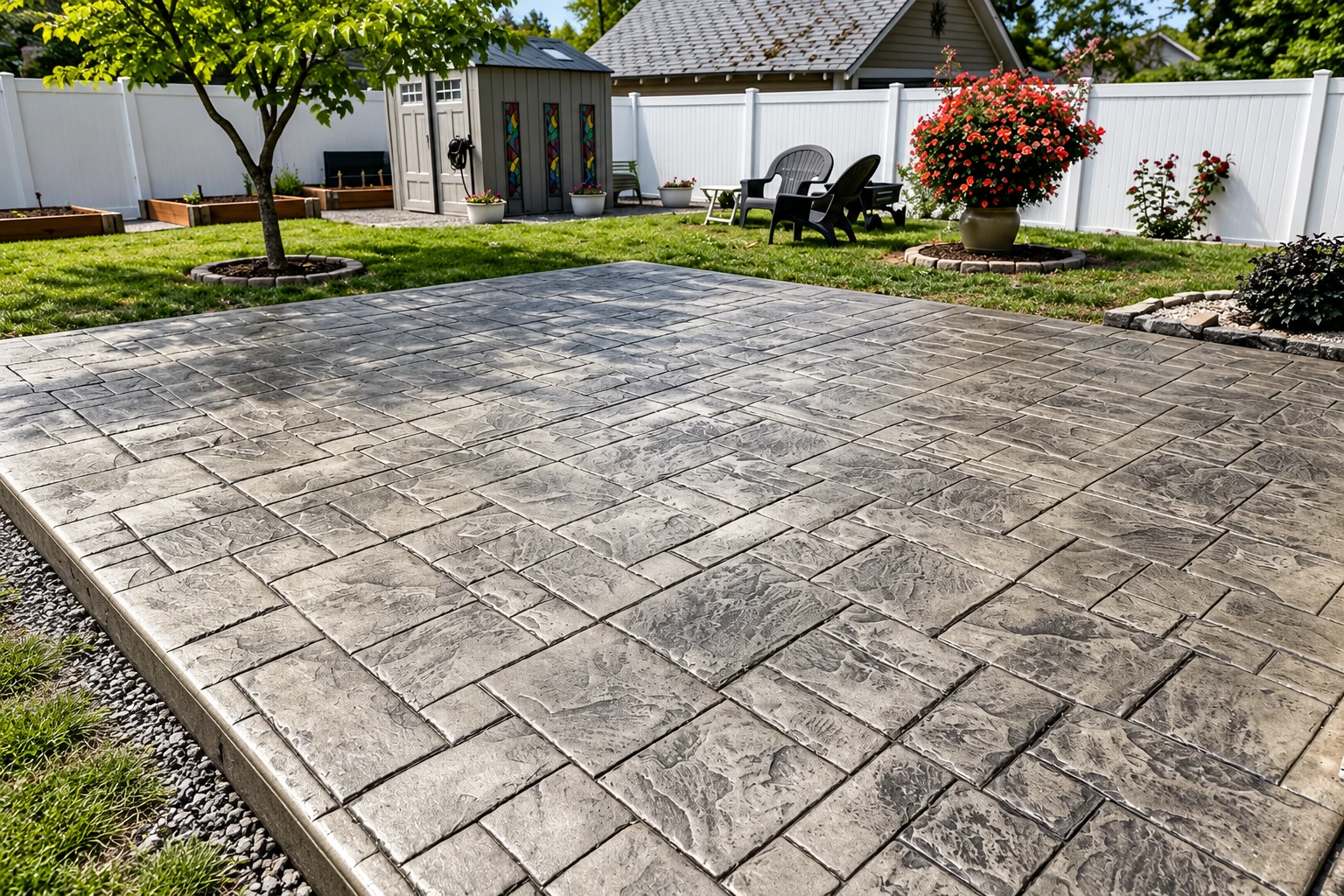
- Licensed and fully insured.
- Free estimates at your property.
- We respond within 1 business day.
What goes into building a concrete parking lot, from grading to drainage?
Concrete parking lot building in Hacienda Heights means grading the ground, packing a solid base, planning where the rain goes and pouring a slab sized for the cars and trucks that will use it, so you end up with a lot that stays flat and drains. It often comes with footings for light poles or signs, curbs and work on the building next to it.
Maybe your lot is worn-out asphalt, a dirt yard or old concrete that's cracked through, and the first thing I'll ask is whether trucks will come in. That answer moves the price more than anything else, along with the size of the lot, how much old pavement and dirt has to come out and how much grading it takes to get water moving off it. The schedule turns on the permit, the weather and curing, the wait before traffic can go on new concrete while it gains strength, and we check with the right office for your address before anything's poured. Elite Hacienda Heights Concrete is based in Hacienda Heights and works in many of the cities around it, and I'll measure your lot and write you an estimate for your own layout.
How do you know your lot is due for new concrete?
Cracks running across spaces
You see cracks that wander across parking spaces and keep getting wider, sometimes with pieces breaking loose at the edges. That usually means the base under it settled or the old slab had no joints to crack along, and every rain that gets in makes the tear-out bigger.
Water sitting after rain
Puddles stay a day or two after a storm, or water runs toward the building instead of away from it. The slope is wrong or part of the lot has sunk, and water left sitting softens the ground underneath, so the low spots get lower.
Truck path breaking up
The spots where delivery or trash trucks turn and stop are crumbling faster than the rest of the lot. That pavement was likely built for cars, and the damage tends to spread out from the truck path into the parking spaces around it.
Work that often goes with a new lot
Concrete footings
Light poles, sign posts and carports around a new lot need a solid footing under each one, and it's easier to pour them while we're set up.
Foundation raising
If the building beside the lot has settled and its doorways sit low, lifting it first lets us set the new lot's grade to match.
How we handle concrete parking lot building
The traffic decides the lot, so I start by asking whether trucks will use it and where they'll drive, because keeping trucks in their own lanes and off the car areas can save you money on the slab. From there we dig out the soft dirt and pack the subgrade, the ground the slab sits on, then build up the base and check where the rain will run so it heads to a drain and not toward a building. We set the forms, place rebar, the steel that holds the slab together once it cracks, where the truck lanes need it, and pour early in the day so the heat doesn't leave a weak, dusty top. We cut control joints, straight grooves that tell the slab where to crack, as soon as it can take the saw, give it a broom finish so tires and shoes grip when it's wet, and let it cure before anyone parks. When a budget gets tight, people want to cut the base because nobody sees it on day one, and I'll push back on that, because a nice finish on a soft base sinks right along with the dirt.
We pour concrete footings for light poles, signs or a carport in the same visit as the lot, so the bases are in before the slab goes around them. When the building next to the lot has sunk, we'd rather do the foundation raising first, since the edge of the lot has to meet that building at the right height.
Lot for cars only
This suits a small business, church or apartment lot where only cars and pickups park. The slab can be lighter, so more of the budget goes into the base and drainage, where it does the most good.
Cars with separate truck lanes
This suits a lot that gets deliveries or trash pickup. We build the truck path heavier and keep the parking areas built for cars, which can cost less than making the whole lot heavy enough for trucks.
Permeable concrete for light use
Florida extension guidance says permeable pavement tends to be weaker than regular pavement and suits light-duty lots that only see a heavy truck now and then. It lets rain soak through, so it's worth asking about if water is your biggest problem and trucks are rare.
Get a free estimate for your parking lot
Send the form and we respond within 1 business day to set a time for me to come out. The estimate is free at your property and obligation-free, or call (626) 413-5388.
Call (626) 413-5388Why Hacienda Heights property owners call Elite Hacienda Heights Concrete for parking lots
The owner writes your estimate
I come out to every job myself, look at how the lot will get used and write the estimate. I'll tell you the parts you won't like hearing, like where it's likely to crack, before you agree to anything.
Pouring concrete here since 2013
I started out mixing and hauling on a small crew, then opened this business in Hacienda Heights in 2013. Our own crew does the forming, pouring and finishing, so the people on your lot answer to me.
Licensed and insured for concrete
California's licensing board counts forming, pouring and finishing pavement and flat concrete as concrete contractor work, and that's what building a parking lot is. We're licensed and fully insured.
Planted islands planned with layout
LA County's stormwater design manual calls for parking lot islands and planted areas, with plants in those islands that help clean the rain running off the lot. We decide where they go while we lay out the drive lanes, so they work with the slope instead of getting squeezed in later.
On a parking lot, what matters most is getting the truck routes and the water right before any dirt moves, so tell me how your lot gets used and I'll come take a look.
What happens after you call about a parking lot in Hacienda Heights?
Call or send a message
Call (626) 413-5388 or send the form with the lot's address. We get back to you and set a time for me to come out.
I measure and walk it
I measure the lot, ask how it'll get used and where any trucks will drive, and look at what's in the way, like old pavement, slopes or poles. Then I write up an estimate for the layout we talked through, so you know what you're getting before we start.
We settle the permit question
Before anything gets poured, we check with the right office for your address, county or city. When the job needs a permit, we handle it as part of the work.
Our crew builds, I check
Our crew forms, pours and finishes the lot, and I'm on site to check the work before we call it done. The slab then needs its curing time before traffic, and we'll tell you when it's ready to use.
Common questions
How much does a concrete parking lot cost in Hacienda Heights?
An installed 4-inch concrete slab in the Los Angeles and Orange County area usually costs about $12 to $17 per square foot. A lot that carries trucks, needs old pavement torn out or takes a lot of grading usually lands higher than a plain car lot. I'll measure yours and give you a figure for your own layout.
How long does a concrete parking lot last?
A concrete lot that's designed and built around how it'll be used can serve well for many years with little maintenance. The ones that wear out early usually carry more weight than they were built for or have water sitting on them, so the planning up front is what buys you the long life.
Does a parking lot for cars only need the same design as a truck lot?
No, a lot that only sees cars and light trucks doesn't need to be built for heavy truck weight. On a cars-only lot, the slab thickness is often set by what's practical to build and by weather and water rather than by the weight of the cars. So tell me at the start if a delivery or trash truck will ever come in.
Who issues the permit for a parking lot in Hacienda Heights?
For property in unincorporated LA County, LA County Public Works issues permits, including grading permits for work that moves soil or creates slopes. If your property falls under a different office, that office handles it, and the county asks owners to call or email their local office to ask what a project needs. We check that for your address before we start.
How do I keep a concrete parking lot in good shape?
On a lot that mostly sees cars, the damage that matters most usually comes from fuel and oil dripping from vehicles, plus rain and how the water drains. So plan your upkeep around cleaning up leaks and keeping drains and low spots clear, more than worrying about the weight of the cars.
What causes cracks in a new concrete parking lot?
Most cracks in a new lot come from the concrete shrinking as it dries, a base that settles, or joints cut too late, and some cracking is normal in any slab. I'd rather you hear that from me now. The control joints we cut give those cracks a straight line to follow, so they land where we chose and not across a parking space.
Tell us where the trucks will drive
Have the lot's address, its rough size and whether trucks will use it ready when you call (626) 413-5388 or send the form, so the first visit gets straight to your layout.